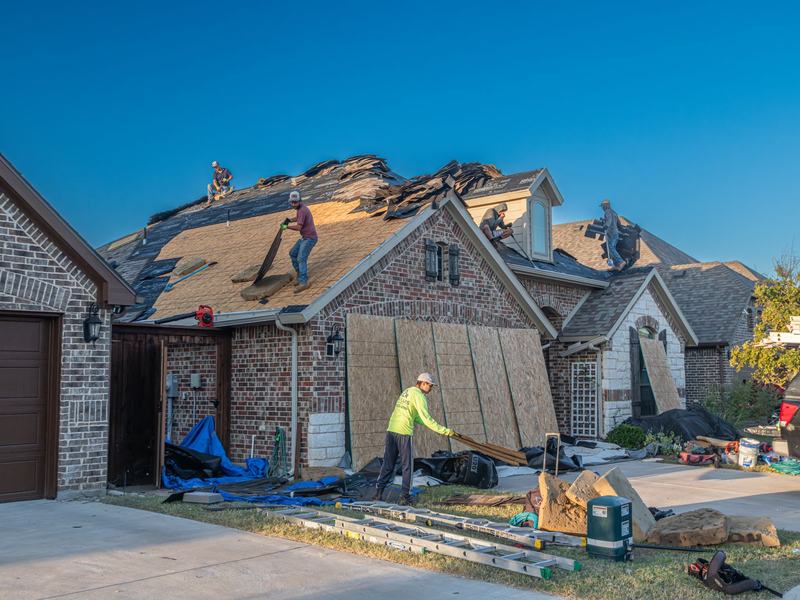
The best time to replace your roof in Sioux Falls is May through September when temperatures are warm and storms have passed, though quality contractors book up fast after hail season.
Late spring through early fall is prime roofing season here. Most contractors are busy from May through September when the weather is warm and dry. Asphalt shingles need temperatures above 40 to 50 degrees to seal properly, and roofers need dry conditions to work safely. Summer gives you the most consistent weather and the longest working days.
June, July, and August are the busiest months. After the spring hail season passes through, insurance claims pile up and contractors are booked solid. If a big storm hit your neighborhood in May, expect to wait four to eight weeks for a crew. Good contractors fill their schedules fast, so call early and get on the list.
You can still roof in spring and fall, but weather is less predictable. April and May bring severe thunderstorms with heavy rain and hail. September and October are usually calmer, but temperatures start dropping and you risk an early snow. We have seen snowstorms as early as October, and once snow flies, roofing shuts down until spring.
Winter roofing is possible but not ideal. Sioux Falls averages 38 to 45 inches of snow per year, with temperatures in January averaging around 18 degrees. Shingles get brittle in the cold and can crack when handled. Sealant strips on shingles will not activate until warm weather returns, so the roof is vulnerable to wind uplift until spring.
If you have an emergency leak in winter, a good contractor can do a temporary repair or tarp the damage until spring. Replacing a whole roof in December or January is risky and most reputable contractors will not do it unless there is major structural damage that cannot wait. If someone offers you a winter roof replacement at a discount, be cautious. There is usually a reason they have open time in January.
Ice dams are common here in winter when snow melts and refreezes at the eaves. Proper attic insulation and ventilation prevent most ice dam problems, and those fixes can be done any time of year. If you are dealing with ice dams, address the attic ventilation first before you replace the roof.
Sioux Falls sits right in the path of severe weather that moves up the Big Sioux River corridor each spring. The National Weather Service recorded 47 hail events at or near Sioux Falls in a recent 12 month period. May and June are the worst months for large hail and damaging winds. We have seen storms with baseball sized hail and winds over 70 mph, most recently in September 2026 and May 2022.
After a major hail storm, roofing contractors from surrounding states flood into town. Some are legitimate and some are not. The honest ones are local, licensed, and have been here before the storm. The storm chasers disappear after they collect checks. If you have storm damage, take your time finding a good contractor even if it means waiting a few weeks. Do not let anyone pressure you to sign the same day they knock on your door.
File your insurance claim after you have a licensed contractor inspect your roof and confirm there is damage worth claiming. Your adjuster will come out, write an estimate, and approve the work. Then your contractor can order materials and schedule your job. Most insurance jobs get done within 30 to 60 days after the claim is approved, depending on how backed up contractors are.
If you are replacing your roof by choice and not because of storm damage, start planning in late winter. Call contractors in February or March, get estimates, and book your job for May or June. You will get better availability and shorter wait times before the rush starts.
If you wait until July to call, expect longer lead times. Contractors are running full crews on multiple jobs and materials can be on backorder after a busy spring. You might wait six to ten weeks for your turn. That is normal in a busy year, not a sign of a bad contractor.
Avoid scheduling a roof in late October or November unless you have to. Weather gets unpredictable, daylight is shorter, and an early snowstorm can shut down your job for weeks with your roof half torn off. If your roof can make it through one more winter, wait until spring. If it cannot, get a temporary repair and plan for a full replacement in May.
Sioux Falls has a humid continental climate with hot summers and cold winters. Summer highs average in the mid 80s, and winter lows average in the low 20s or below zero during cold snaps. We get about 27 to 28 inches of precipitation a year, spread fairly evenly across the months but concentrated more in the warmer season.
Severe weather is an annual certainty. The area recorded some of its worst storms in recent history, including a February 1962 blizzard that dropped 32 inches of snow, a May 1993 flash flood with up to 7.5 inches of rain in three hours, and repeated severe thunderstorms with large hail and high winds in 2019, 2020, 2021, 2024, 2025, and 2026. Wind gusts of 60 to 80 mph are not unusual during severe storms.
Plan around the weather but understand you cannot control it. A project scheduled for July might get delayed two days by a thunderstorm. That is just part of roofing on the Great Plains. A good contractor will keep you updated and get back on your roof as soon as conditions allow.
Also in our network: Best Time of Year to Replace a Roof in Sioux City, IA.
Send us a few details and a photo and we will get you a free quote.
Get my free quote SIOUX FALLS